
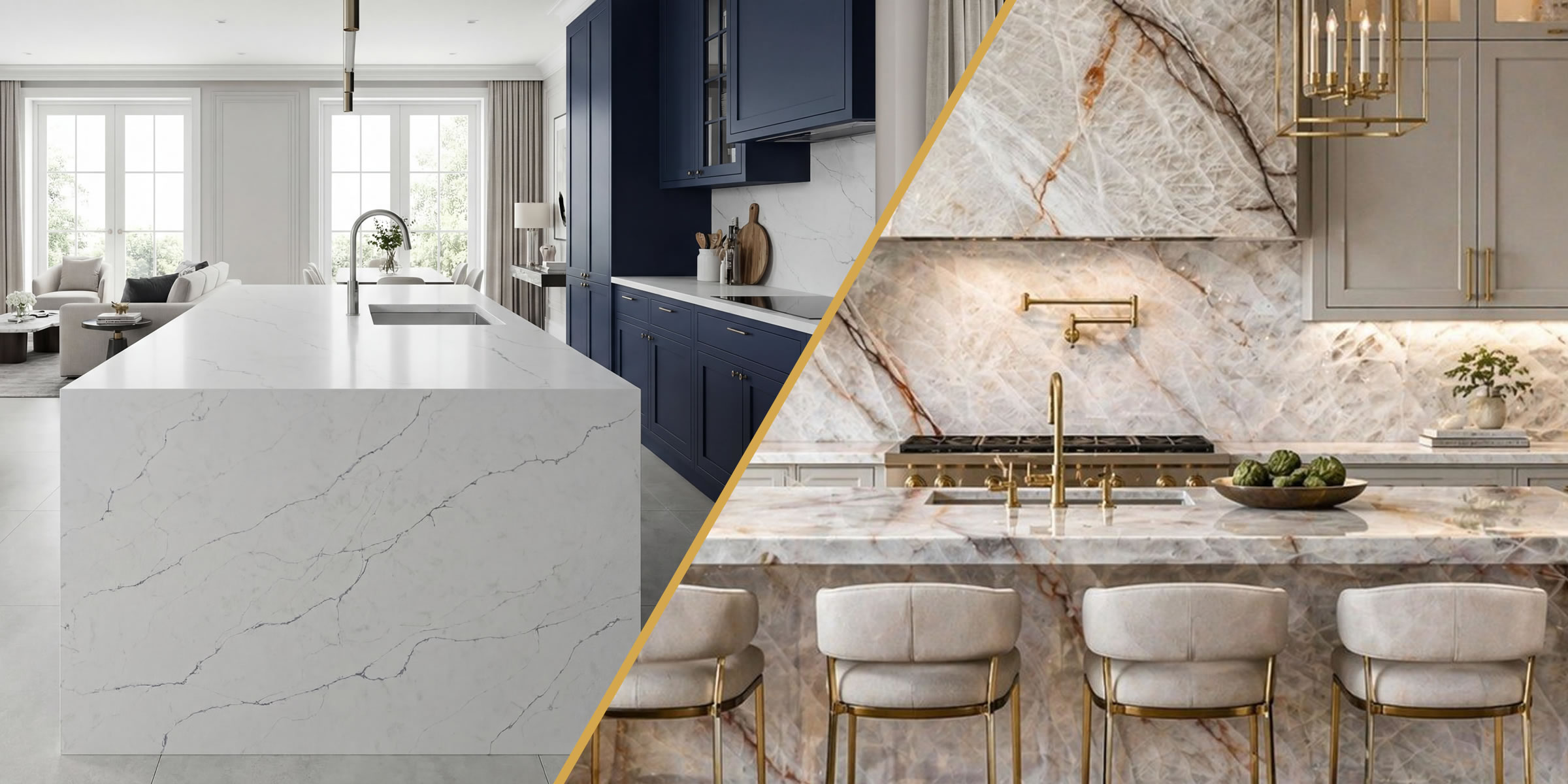
Quartz vs Quartzite for Florida Homes: Which Countertop Is Better? (2026 Complete Guide)
- Hits: 573
If you've started researching countertops for a Florida home, you've almost certainly encountered the same question again and again: Should I choose quartz or quartzite?
At first glance, the answer seems straightforward. Quartz is often described as the practical option, while quartzite is presented as the luxury alternative. In reality, the decision is far more nuanced.
Both materials are excellent choices, but they solve different problems. The best countertop for a waterfront home in Naples may not be the best choice for a family kitchen in Boca Raton. Likewise, a modern condominium overlooking Biscayne Bay has very different design priorities than a Mediterranean-style estate in Palm Beach.
Rather than asking which material is "better," experienced designers usually ask a different question:
Which material fits the way this home will actually be lived in?
This guide compares quartz and quartzite specifically for Florida homes, taking into account architecture, climate, maintenance, design trends, and long-term value.
Quick Answer
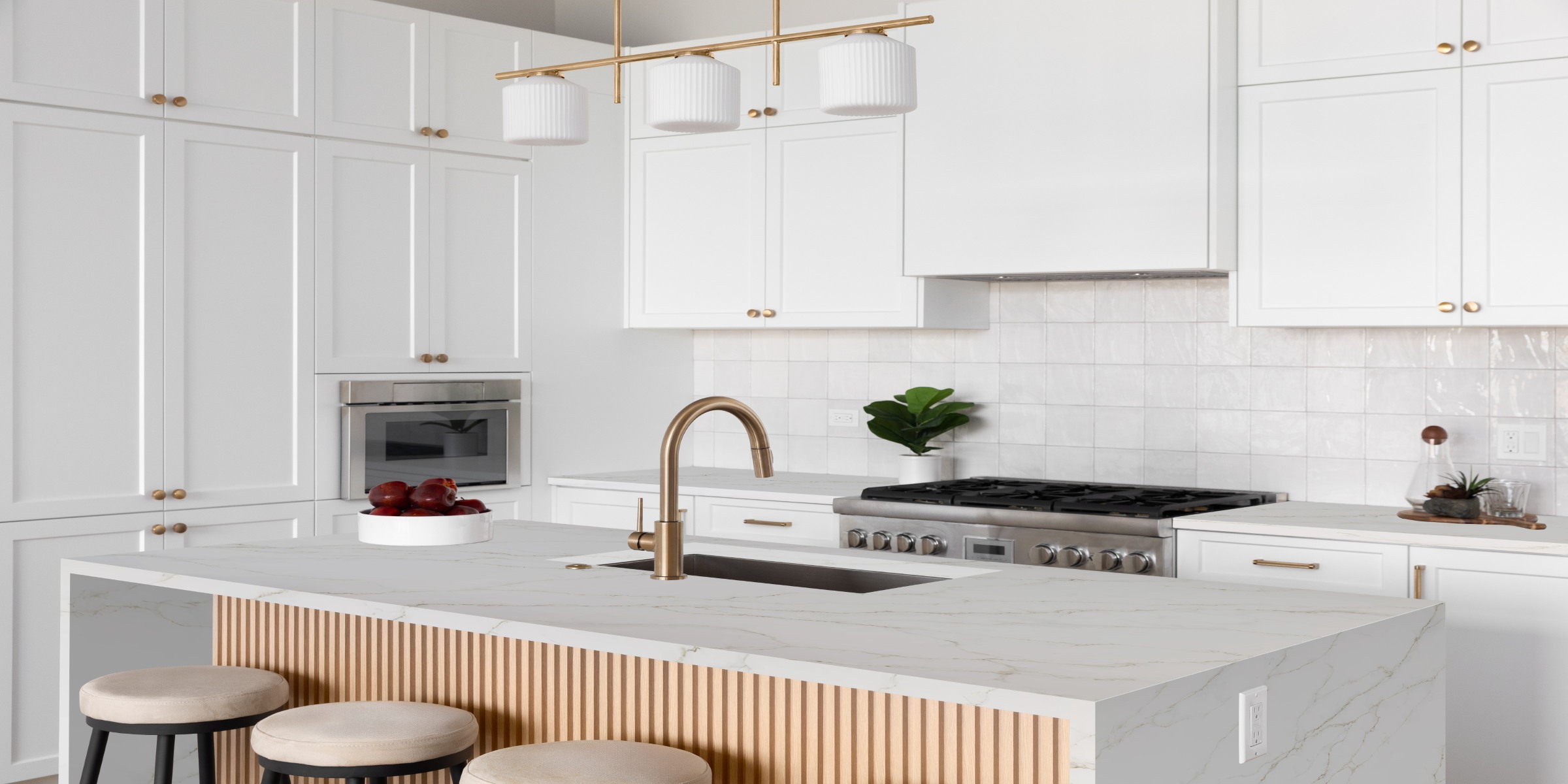
Quartz is generally the better choice for homeowners who want consistency, minimal maintenance, and predictable performance. Quartzite is often preferred by those who value the individuality of natural stone and are willing to perform occasional maintenance to preserve its appearance.
Neither material is universally superior. The right choice depends on your lifestyle, the design of your home, and what you expect from your kitchen over the next ten to twenty years.
Key Takeaways
- Quartz is engineered for consistency and easy maintenance.
- Quartzite is a natural stone, meaning every slab is completely unique.
- Florida's abundant natural light affects both materials differently.
- Large luxury kitchens benefit from viewing full slabs before making a decision.
- Your daily habits matter just as much as the material itself.
Understanding the Difference
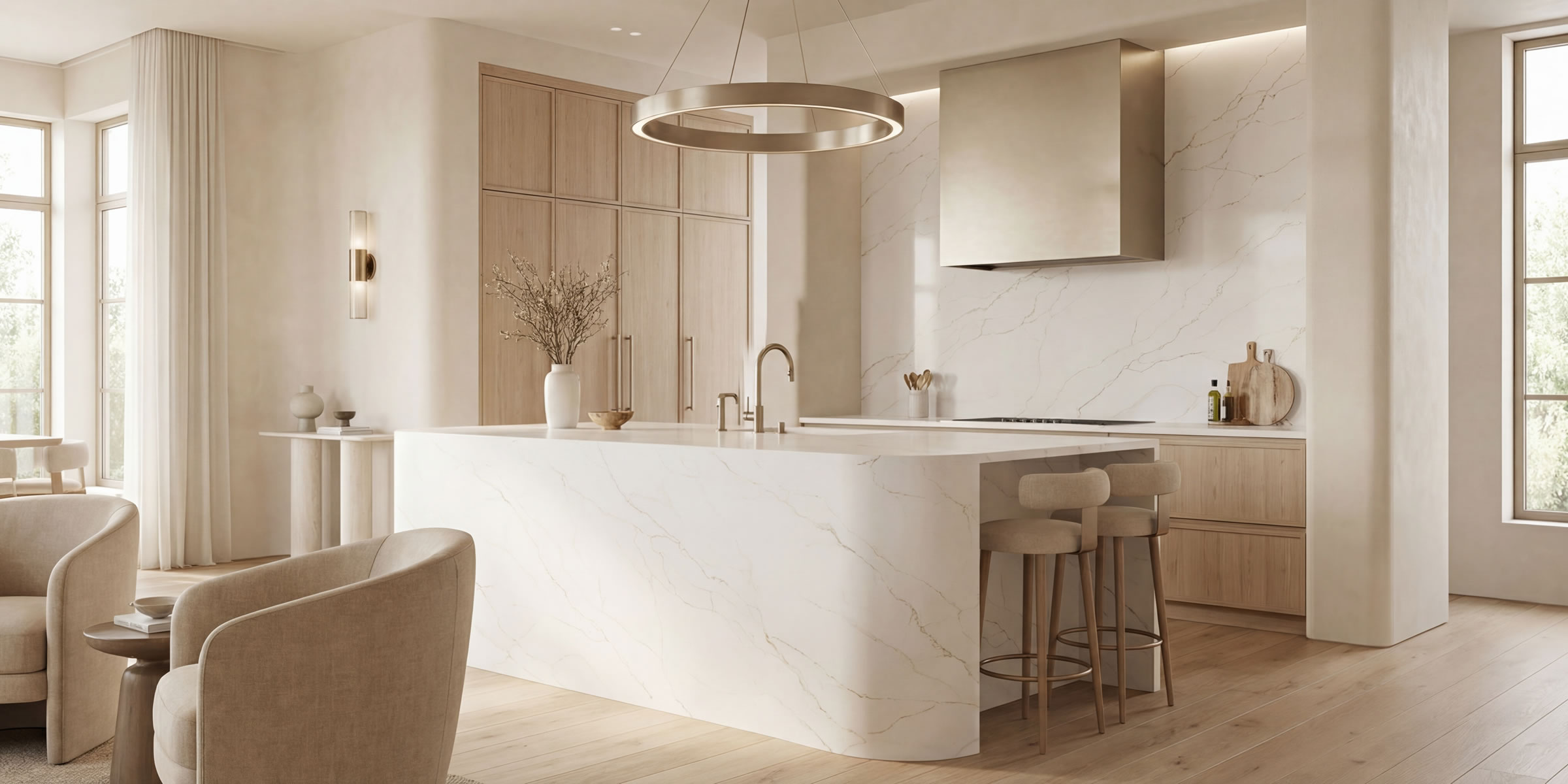
One of the biggest misconceptions in the countertop industry is that quartz and quartzite are simply different versions of the same material. They are not.
Quartz countertops are engineered surfaces made primarily from natural quartz minerals combined with resins and pigments. This manufacturing process allows manufacturers to produce highly consistent colors, controlled veining, and slabs that require very little maintenance.
Quartzite, by contrast, begins as sandstone deep within the earth. Over millions of years, extreme heat and pressure transform it into an exceptionally dense metamorphic rock. Every slab is created by nature, which means no two pieces will ever look exactly alike.
That difference affects much more than appearance.
Quartz offers predictability. If you're designing multiple residences or want every countertop to match precisely, engineered quartz makes that possible.
Quartzite offers individuality. The movement of minerals, subtle color transitions, and organic veining cannot be perfectly replicated because they were never designed—they evolved naturally over geological time.
How Florida Homes Change the Decision
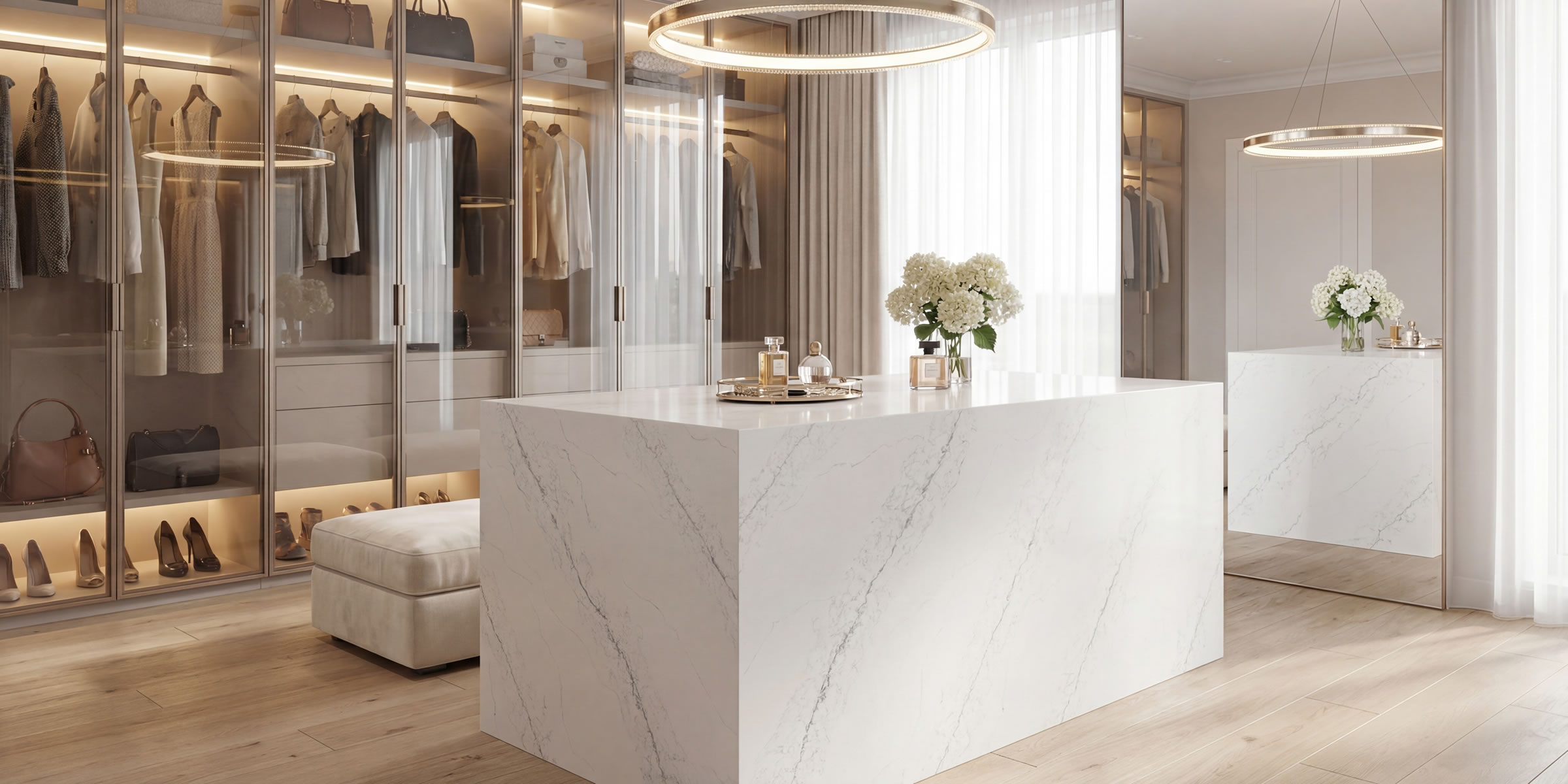
Climate itself doesn't automatically make one material better than the other. What changes the decision is the way Florida homes are designed.
Across South Florida, kitchens are brighter than those found in many other parts of the country. Floor-to-ceiling windows, open floor plans, covered outdoor living spaces, and expansive sliding glass doors allow natural light to become one of the strongest design elements in the room.
That light changes how countertops are perceived.
A cool white quartz that looks perfectly balanced inside a showroom may appear noticeably brighter once installed in a waterfront home overlooking the Intracoastal Waterway. Likewise, the soft mineral movement within quartzite often becomes more pronounced as sunlight moves across the surface throughout the day.
This is one reason experienced designers rarely approve countertops from small samples alone.
A four-inch sample tells you what the color looks like. It does not show scale, vein direction, visual balance, or how the slab interacts with changing daylight.
Standing in front of an entire slab often changes a homeowner's decision within minutes.
Design Flexibility
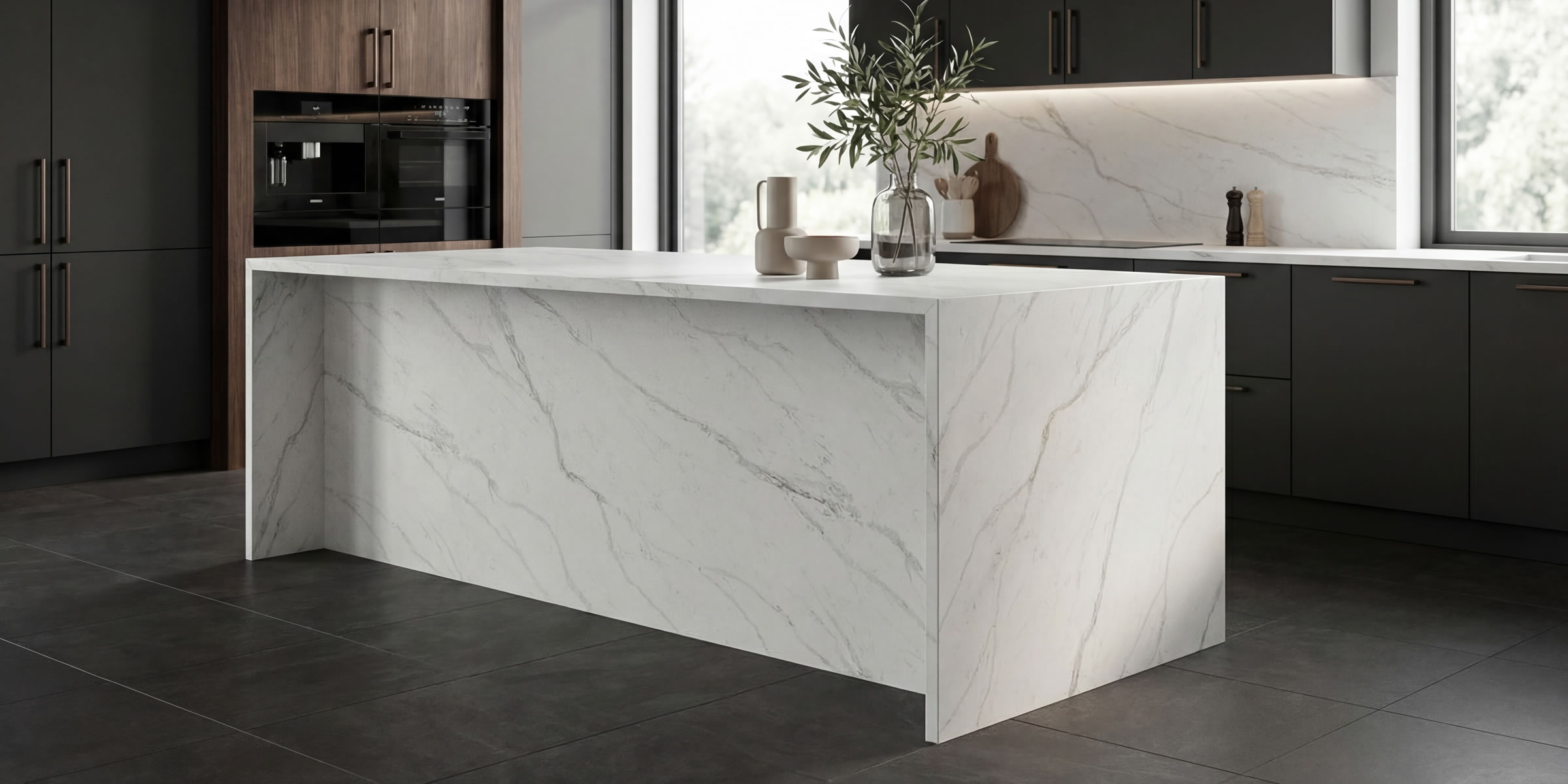
Quartz has evolved dramatically over the past decade.
Earlier generations of engineered quartz often looked obviously manufactured, with repetitive veining and limited variation. Today's premium collections—especially modern Printed Quartz—have become considerably more sophisticated. Longer vein structures, improved depth, and more natural movement allow quartz to complement luxury architecture in ways that were difficult to achieve only a few years ago.
For homeowners seeking a refined marble-inspired aesthetic without the unpredictability of natural stone, quartz has become an increasingly compelling option.
Quartzite, however, continues to occupy a category of its own.
Materials such as Taj Mahal Quartzite, Cristallo, Aquamarine Quartzite, and other premium natural stones possess characteristics that cannot be manufactured. Mineral deposits, translucent sections, crystalline texture, and subtle geological variation create surfaces that feel organic rather than produced.
The difference isn't always dramatic in photographs. It becomes obvious when viewed as a full slab inside a completed kitchen.
Performance and Everyday Living
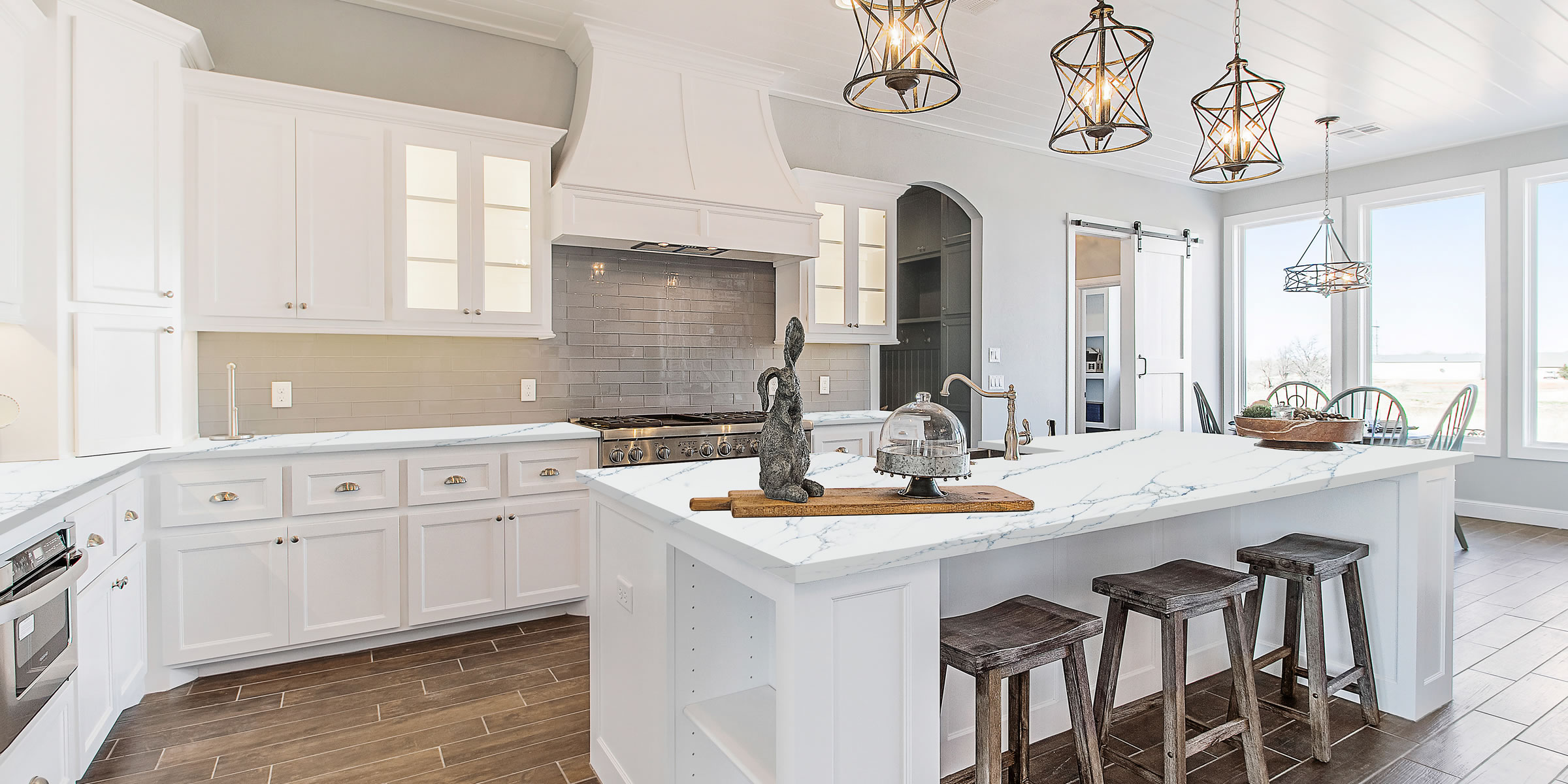
When homeowners ask which material performs better, they're often looking for a simple winner. In practice, performance depends less on laboratory specifications and more on how the kitchen is actually used.
A retired couple who enjoys entertaining on weekends will have different priorities than a family with three children who prepare multiple meals every day. Likewise, a vacation home that sits empty for several months each year has different requirements than a primary residence.
Quartz has earned its reputation because it asks very little from the homeowner. Since it is a non-porous engineered surface, it does not require periodic sealing under normal residential use. Everyday cleaning is typically simple, making it an attractive choice for busy households that want beautiful countertops without adding another maintenance routine.
Quartzite requires a different mindset. As a natural stone, it benefits from sealing to help protect the surface from staining. While this maintenance is not difficult, it is something homeowners should be prepared to include as part of long-term ownership.
Neither approach is inherently better. Some people appreciate the simplicity of quartz, while others believe the individuality of natural stone is worth the occasional maintenance.
Heat, Sunlight and Florida Living
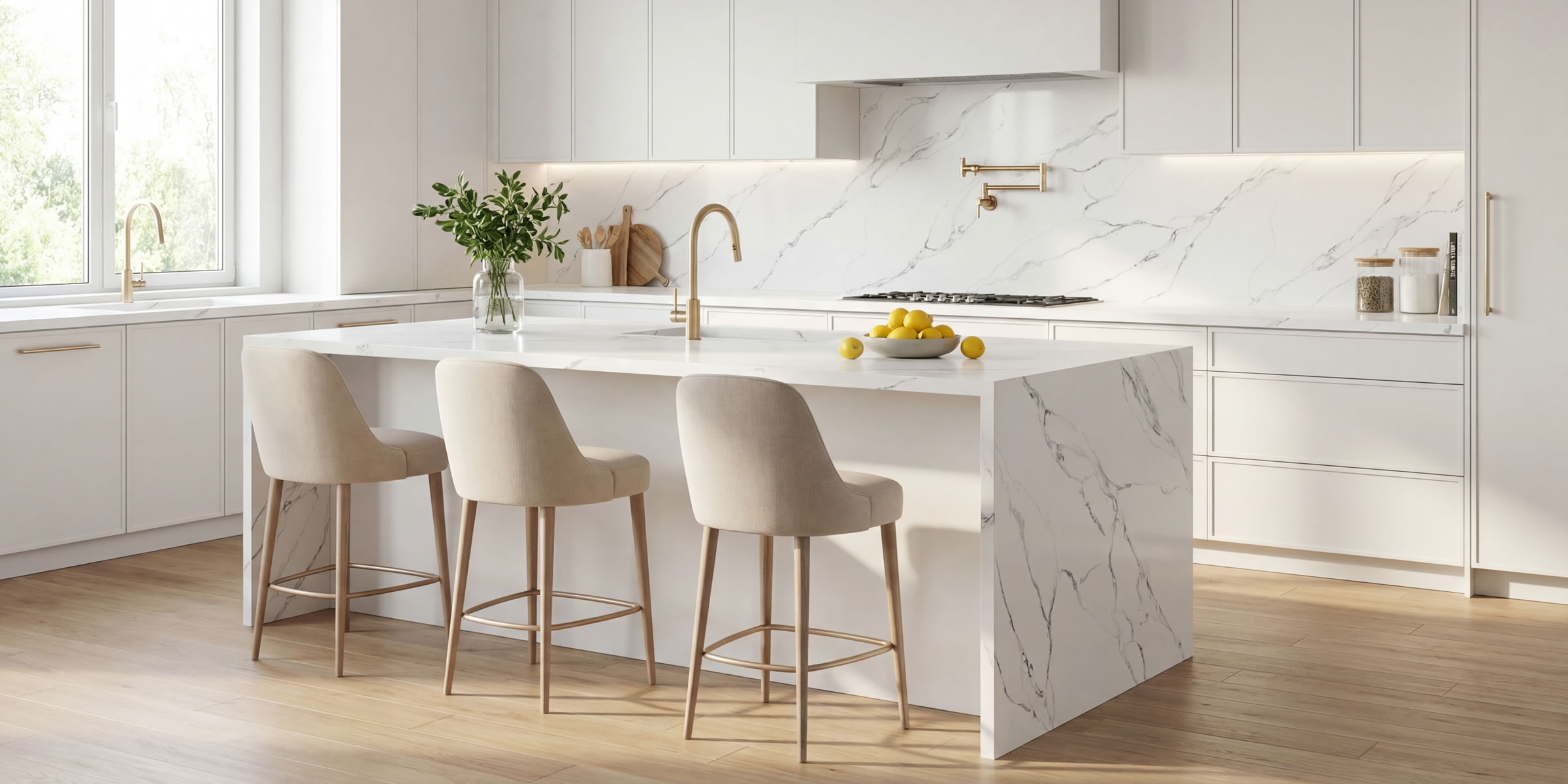
Florida presents conditions that many countertop guides never discuss.
Homes here receive intense sunlight throughout much of the year. Large windows, outdoor kitchens, covered lanais, and open entertaining spaces all influence material selection.
Quartz performs exceptionally well in indoor kitchens, but prolonged exposure to direct ultraviolet light is generally not recommended unless the specific product is designed and approved for exterior use. Continuous UV exposure can affect the appearance of some engineered surfaces over time.
Quartzite, being a natural stone, is often selected for projects that blur the line between indoor and outdoor living. Covered outdoor kitchens, summer kitchens, pool houses, and entertainment areas frequently incorporate quartzite because of its natural composition and distinctive appearance.
For interior kitchens, however, both materials perform exceptionally well when used as intended.
Appearance Over Time
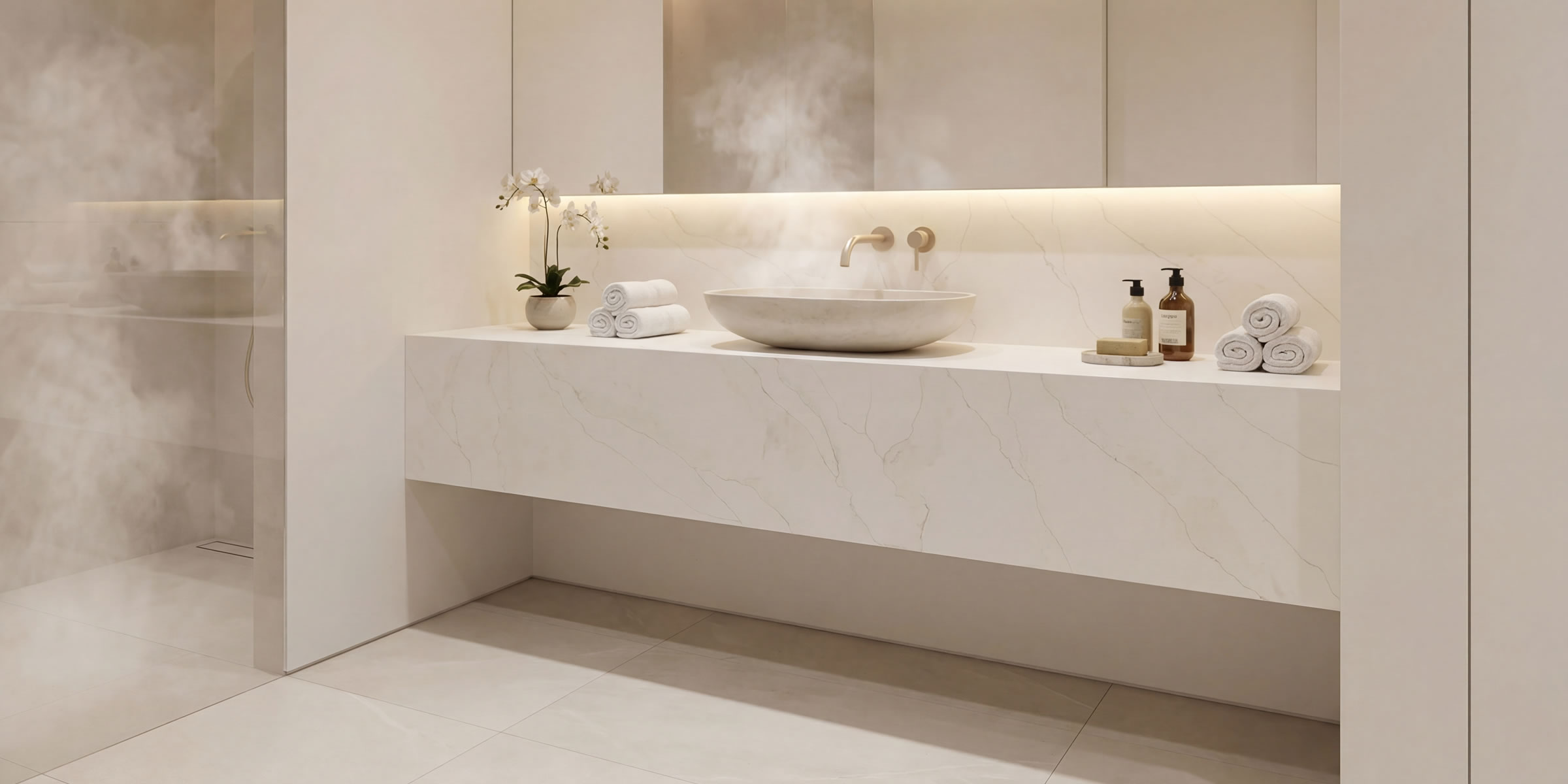
One of the most interesting questions designers ask homeowners is surprisingly simple:
"How do you want your kitchen to feel ten years from now?"
Design trends change much faster than architecture.
Five years ago, bright white kitchens with dramatic black hardware dominated social media. Today, many luxury homes across Florida are moving toward warmer palettes, softer contrasts, natural oak cabinetry, and stone surfaces that feel calmer and less theatrical.
Quartz fits this evolution extremely well because manufacturers continue introducing collections inspired by natural marble, limestone, travertine, and quartzite.
Quartzite approaches timelessness differently.
Because every slab is unique, homeowners rarely feel that they purchased a countertop that simply followed a temporary trend. Instead, the material becomes part of the home's identity, much like hardwood flooring or handcrafted cabinetry.
Large Kitchen Islands Change Everything
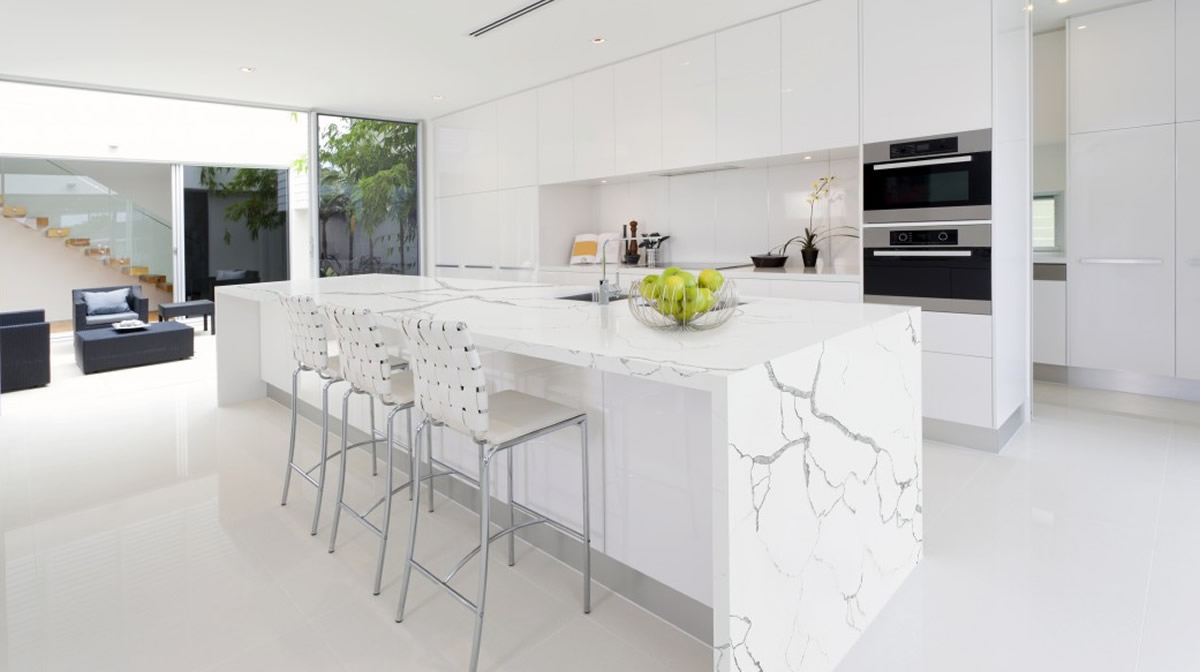
If there is one feature that defines luxury Florida homes today, it is the oversized kitchen island.
Islands measuring ten, twelve, or even fourteen feet have become increasingly common in new construction throughout Boca Raton, Naples, Palm Beach, Sarasota, and South Florida.
These larger surfaces make slab selection even more important.
On a small vanity, subtle pattern repetition may go unnoticed. Across a twelve-foot island, every detail becomes visible.
This is where viewing the complete slab becomes invaluable.
Homeowners often spend weeks comparing colors online, only to discover that the full slab feels entirely different in person. Vein direction, balance, movement, and overall composition simply cannot be evaluated from a small sample.
Whether choosing quartz or quartzite, experienced designers nearly always recommend selecting the actual slab whenever possible.
Cost Shouldn't Be the First Question
Many buying guides begin by comparing price. In reality, cost should rarely be the starting point.
A countertop is one of the largest visual elements in the entire kitchen. It influences cabinetry, flooring, lighting, wall colors, and even furniture choices.
Saving a small percentage on the slab itself often has far less impact than selecting the material that truly complements the architecture of the home.
The better question is this:
Which surface will still make you happy every time you walk into the kitchen five or ten years from now?
That perspective usually leads to better decisions than comparing price tags alone.
Expert Insight
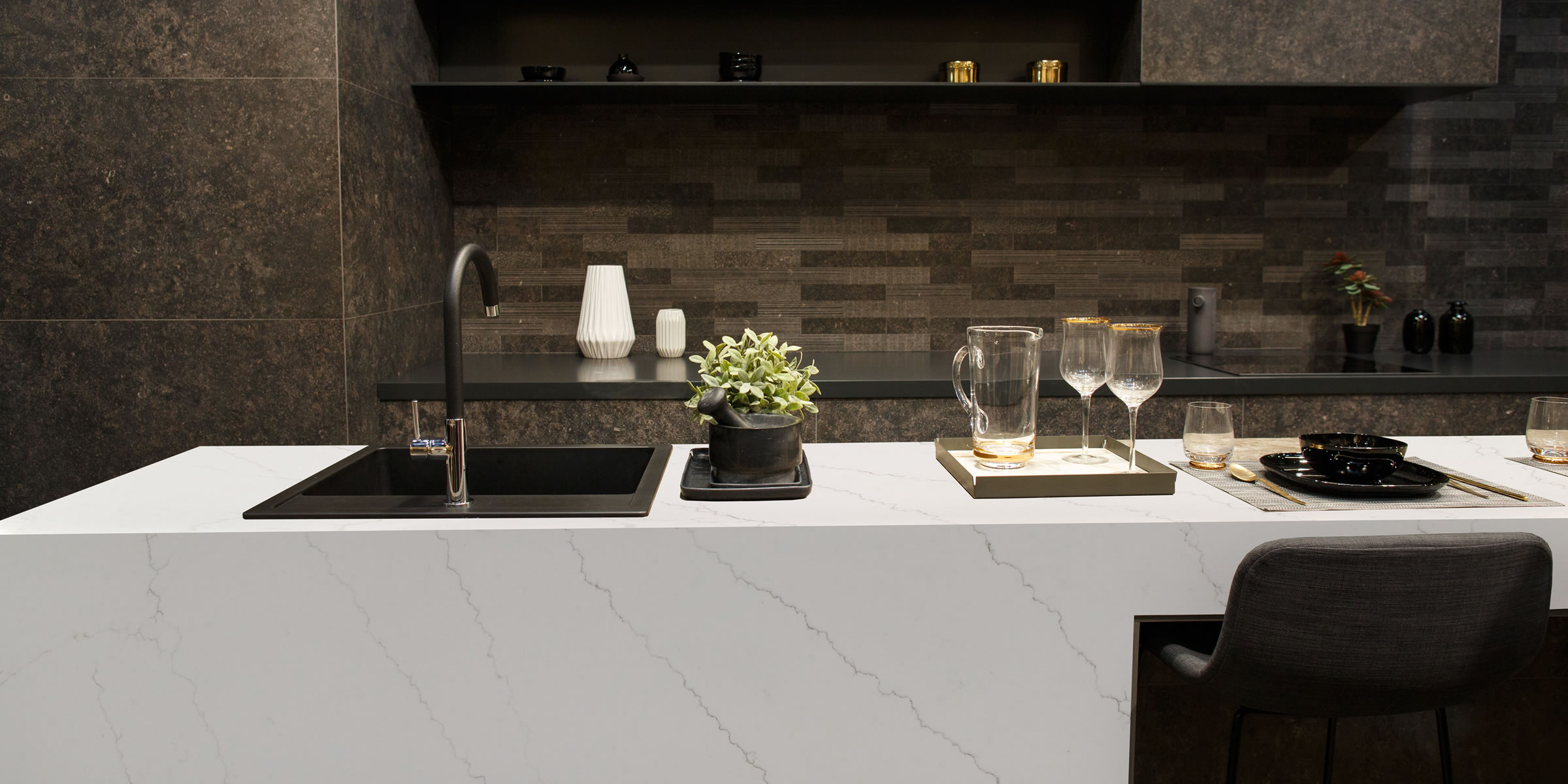
Walk through several recently completed luxury homes across Florida and you'll notice a common pattern. The most successful kitchens rarely rely on dramatic materials to impress visitors.
Instead, they achieve balance.
The countertop works together with cabinetry, flooring, natural light, and architecture rather than competing for attention.
Whether that surface is quartz or quartzite becomes almost secondary. What matters is how naturally every element works together.
Common Mistakes When Choosing Between Quartz and Quartzite
- Choosing the material before finalizing cabinetry and flooring.
- Making a decision from a small sample instead of viewing the full slab.
- Assuming every quartzite slab looks the same.
- Selecting quartz only because it requires less maintenance without considering design goals.
- Choosing quartzite only because it is natural without understanding its care requirements.
- Following social media trends instead of designing for the home's architecture.
Buying Checklist
- Define your priorities before comparing materials. Decide whether uniqueness, low maintenance, or long-term design consistency matters most to you.
- Visit a slab warehouse instead of relying only on online images or small samples.
- Evaluate both materials under natural daylight whenever possible.
- Coordinate your countertop selection with cabinetry, flooring, backsplash, and lighting.
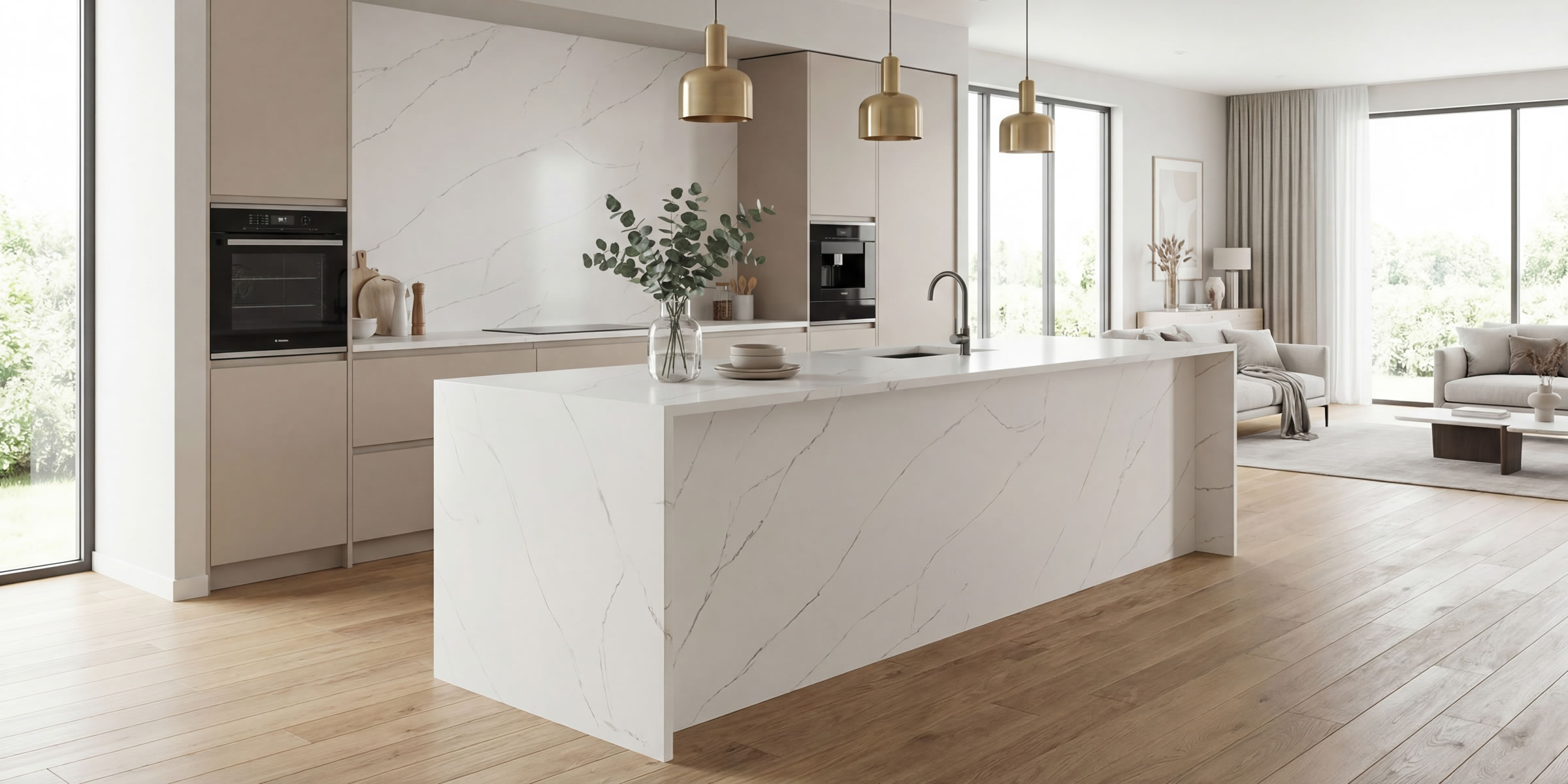
- Ask about slab dimensions if you're planning a large waterfall island.
- Discuss maintenance expectations before making your final decision.
- Choose the material that complements your home's architecture rather than following current trends.
Frequently Asked Questions
Is quartz or quartzite better for Florida homes?
Neither material is universally better. Quartz is ideal for homeowners who value consistency, easy maintenance, and predictable performance. Quartzite is an excellent choice for those who appreciate the individuality and natural beauty of genuine stone.
Does Florida's climate affect countertop selection?
Yes, but not in the way many people think. The biggest influence is not humidity—it's natural light. Florida homes receive significantly more sunlight than many other parts of the country, which changes how countertop colors, veining, and textures appear throughout the day.
Which material requires less maintenance?
Quartz generally requires less routine maintenance because it is a non-porous engineered surface. Quartzite is a natural stone and benefits from periodic sealing to help maintain its appearance and resistance to staining.
Which looks more natural?
Quartzite is created entirely by nature, making every slab unique. Modern Printed Quartz has narrowed the visual gap considerably, offering realistic movement and marble-inspired veining while maintaining the consistency of engineered stone.
Is Printed Quartz a good alternative to quartzite?
For many homeowners, yes. Premium Printed Quartz collections provide sophisticated patterns and flowing veining that closely resemble natural stone, while offering the convenience and consistency that engineered quartz is known for.
Which material is better for large kitchen islands?
Both can produce stunning islands. The key is selecting the actual slab rather than relying on a sample. Large islands reveal vein direction, scale, and visual movement, making slab selection one of the most important parts of the project.
Will either material go out of style?
Design trends evolve, but thoughtfully selected materials tend to remain relevant for decades. Warm neutral colors, balanced veining, and surfaces that complement the architecture of the home generally age far better than dramatic patterns chosen simply because they are fashionable.
Final Verdict
Choosing between quartz and quartzite isn't about finding a universal winner—it's about finding the right fit for your home.
If your priorities are low maintenance, design consistency, and predictable performance, quartz is one of the strongest countertop materials available today. It has evolved far beyond the engineered surfaces of the past, with modern collections offering refined movement, elegant colors, and impressive realism.
If you're drawn to natural materials and appreciate that no two kitchens should ever look exactly alike, quartzite offers something engineered surfaces cannot replicate. Every slab tells its own geological story, making the finished kitchen feel personal and one of a kind.
In Florida, where architecture is shaped by sunlight, open living spaces, and a strong connection between indoor and outdoor environments, both materials can create extraordinary kitchens when chosen thoughtfully.
The most successful projects don't begin by asking, "Which countertop is better?" They begin by asking, "What kind of home are we trying to create?" Once that question is answered, the right material usually becomes clear.
About Venezia Surfaces
Venezia Surfaces supplies premium quartz, quartzite, marble, granite, porcelain, and other natural stone slabs to homeowners, architects, interior designers, builders, developers, and fabricators throughout Florida and the East Coast.
Rather than choosing from a small sample, clients have the opportunity to view full slabs, compare materials side by side, and select the surface that best complements the architecture of their project. Whether you're designing a waterfront estate, renovating a family home, or planning a contemporary luxury kitchen, seeing the entire slab often becomes the moment that makes the decision easy.